
Hi there! My name is Morgan Manley, IGP’s new summer intern. I’m a rising fourth-year student at the University of Virginia pursuing a B.A. in Leadership & Public Policy where I’m studying how institutions, policy frameworks, and social norms shape the issues we collectively prioritize. My education, coupled with my conviction to help young girls and women who are denied the freedom and safety I was guaranteed and often take for granted, give me a unique lens to contribute to the meaningful work IGP is doing – work I am so excited to be a part of this summer. This blog provides crucial background on the legislative foundation in India, how IGP creates space for those policies to work in practice, and why I’m grateful to be a part of the IGP team.
In India today, a heartbreaking contradiction exists. A thriving global hub of technological innovation and economic growth faces a deeply rooted demographic challenge: more than 63 million girls are “missing” from its population. This is female gendercide: the systematic elimination of baby girls through selective abortion, neglect, or infanticide. It is a crisis where twenty-first-century medical advancements are exploited to perpetuate ancient prejudices.
India’s government has taken meaningful legislative action to protect unborn girls. The landmark Pre-Conception and Pre-Natal Diagnostic Techniques (PCPNDT) Act of 1994 prohibits medical professionals from disclosing the sex of a fetus to parents, with serious penalties, including heavy fines and imprisonment, for violations. This law reflects India’s genuine commitment to defending the lives of its daughters. Enforcing that commitment, however, faces two significant implementation challenges that no government can solve alone.
The first is technological. When the PCPNDT Act was enacted, ultrasound machines were large, stationary hospital fixtures – easy to monitor and regulate. Today, portable devices the size of a laptop can be concealed in a backpack and transported directly to rural homes, making illegal sex-determination tests nearly impossible to track through traditional oversight mechanisms alone.
The second is social. The law assumes that a pregnant woman can refuse an illegal test or report pressure to authorities. In practice, deeply embedded cultural and economic traditions make this extraordinarily difficult. Despite being banned by the Dowry Prohibition Act of 1961, families continue to face enormous social pressure to provide substantial payments upon a daughter’s marriage. Combined with traditions that favor sons for inheritance, carrying on the family name, and caring for aging parents, many young mothers face intense, often violent, pressure from family members to bear boys.
These barriers make clear that legislation, however strong, cannot reach inside a family’s home or rewrite a community’s values. That work requires a different kind of presence — one built on trust, relationships, and a long-term commitment to the villages most at risk.
This is where the Invisible Girl Project (IGP) enters as a community-level partner, working alongside India’s broader national efforts to close the gap between policy and lived reality. IGP recognizes that lasting change requires not just strong laws, but deep cultural transformation at the village level – something that requires trusted local voices to achieve alongside government efforts.
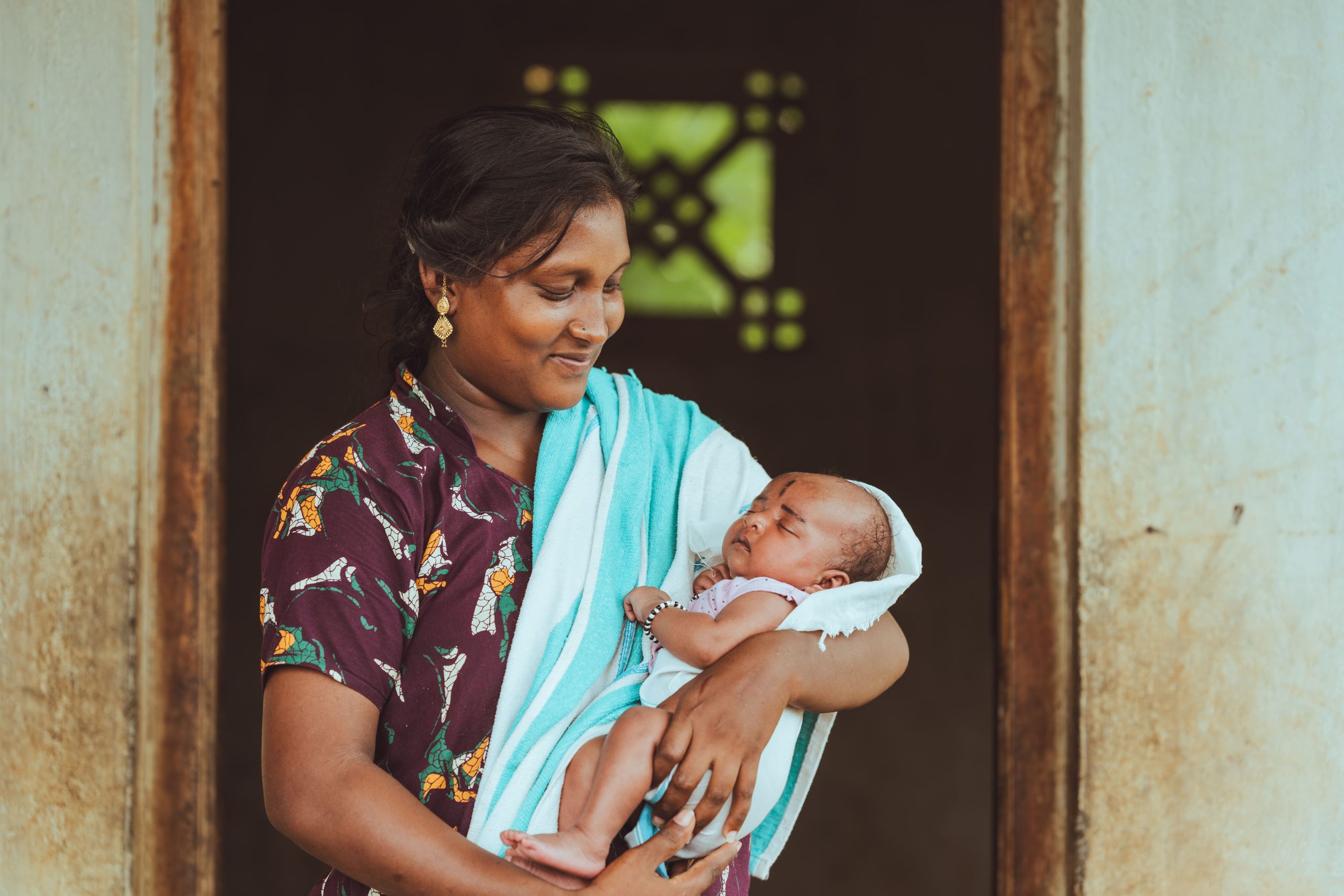
Because no enforcement body can be present in every home, IGP’s local fieldworkers serve as a community safety net that complements official efforts. They build relationships with women in vulnerable villages, monitor pregnancies, and intervene when families place undue pressure on expectant mothers. When a woman chooses to protect her baby girl but faces family violence, IGP provides access to safe housing and financial assistance. Critically, IGP funds long-term education for girls – directly dismantling the economic argument that daughters are too costly to raise.
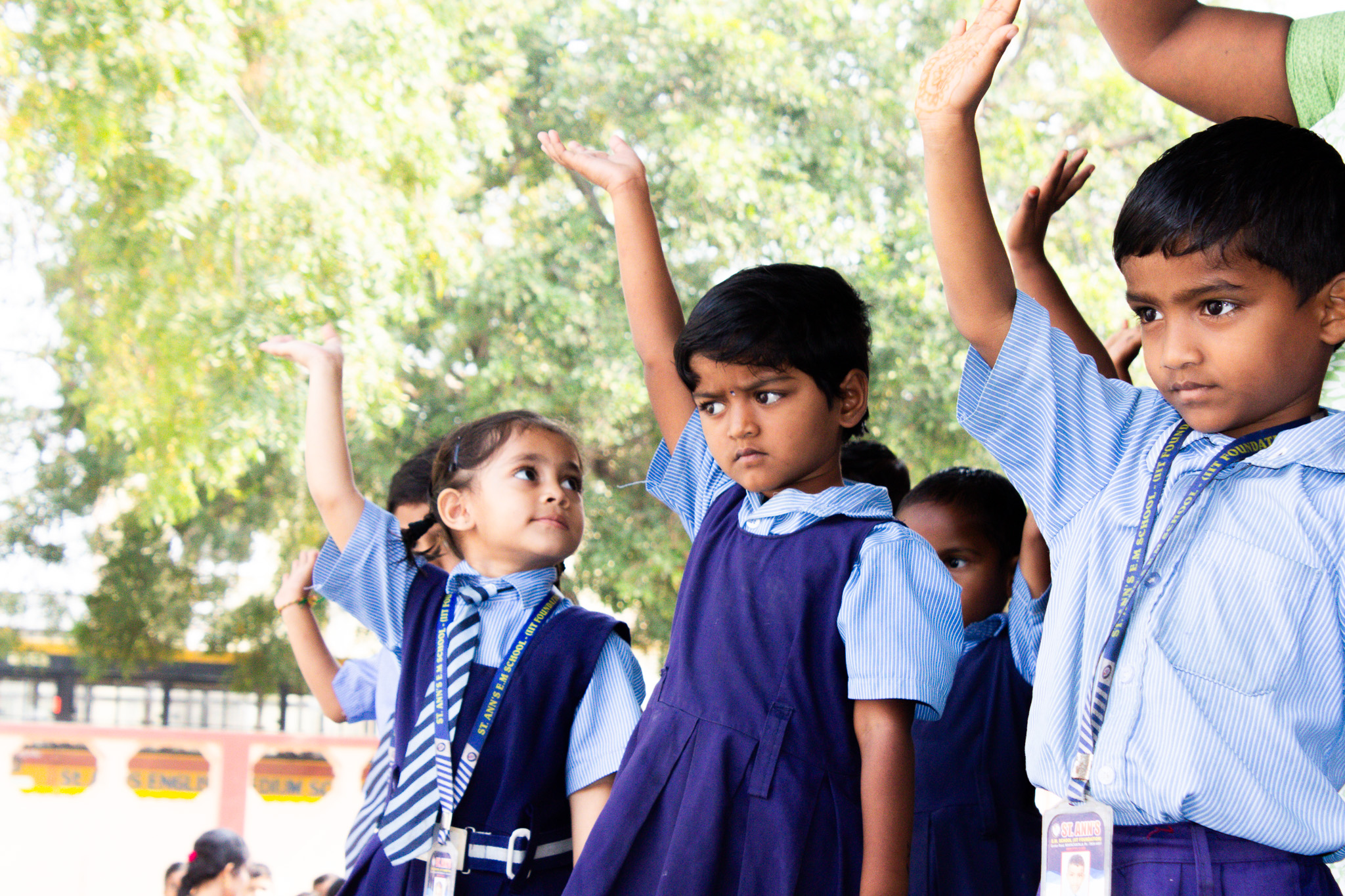
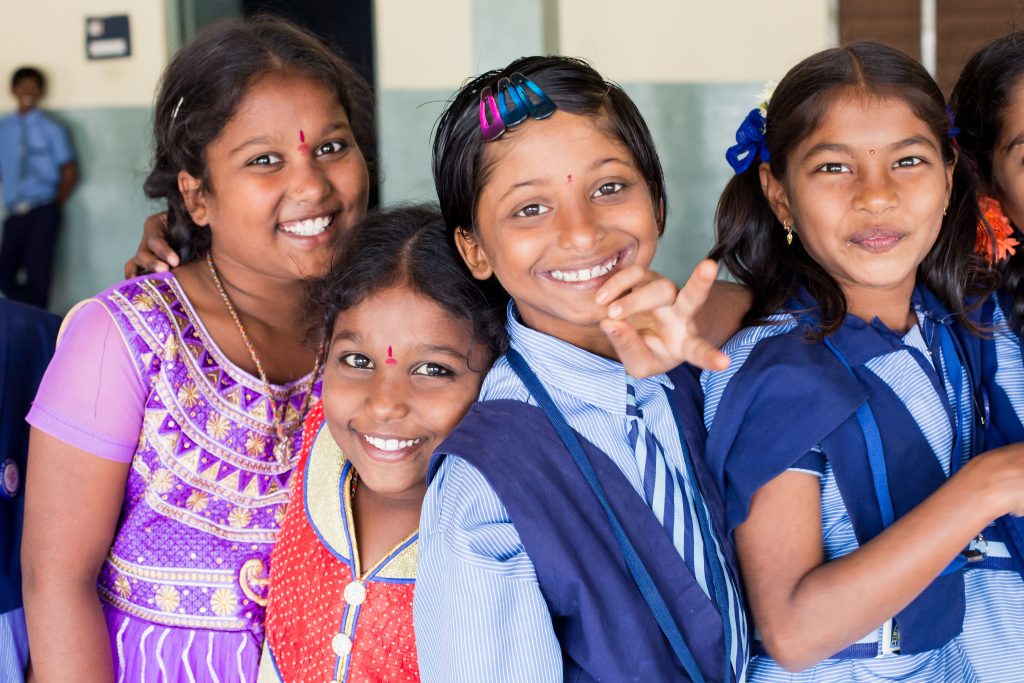
Since 2011, that commitment has translated into real lives changed: 1,100 girls rescued from infanticide, trafficking, and child marriage; 1,383 girls enrolled in school or college; and over 640 girls sponsored by a global community that chose to show up for them.
India’s government has laid the legal foundation. IGP works alongside that foundation, demonstrating at the grassroots level what the law already affirms: that daughters have equal value and deserve equal protection. True progress over gendercide will not happen in a courtroom alone – it will happen when communities internalize that truth and welcome daughters as a blessing, not a burden.
You can be part of that change. Sponsor a girl’s education, donate, or learn more at invisiblegirlproject.org.
IGP is dedicated to rescuing girls in India and giving them opportunities for a bright future. We are an international humanitarian organization working with grassroots organizations in India to prevent female gendercide and trafficking and to protect and save girls’ lives. Will you join us to ensure girls in India are valued and seen?