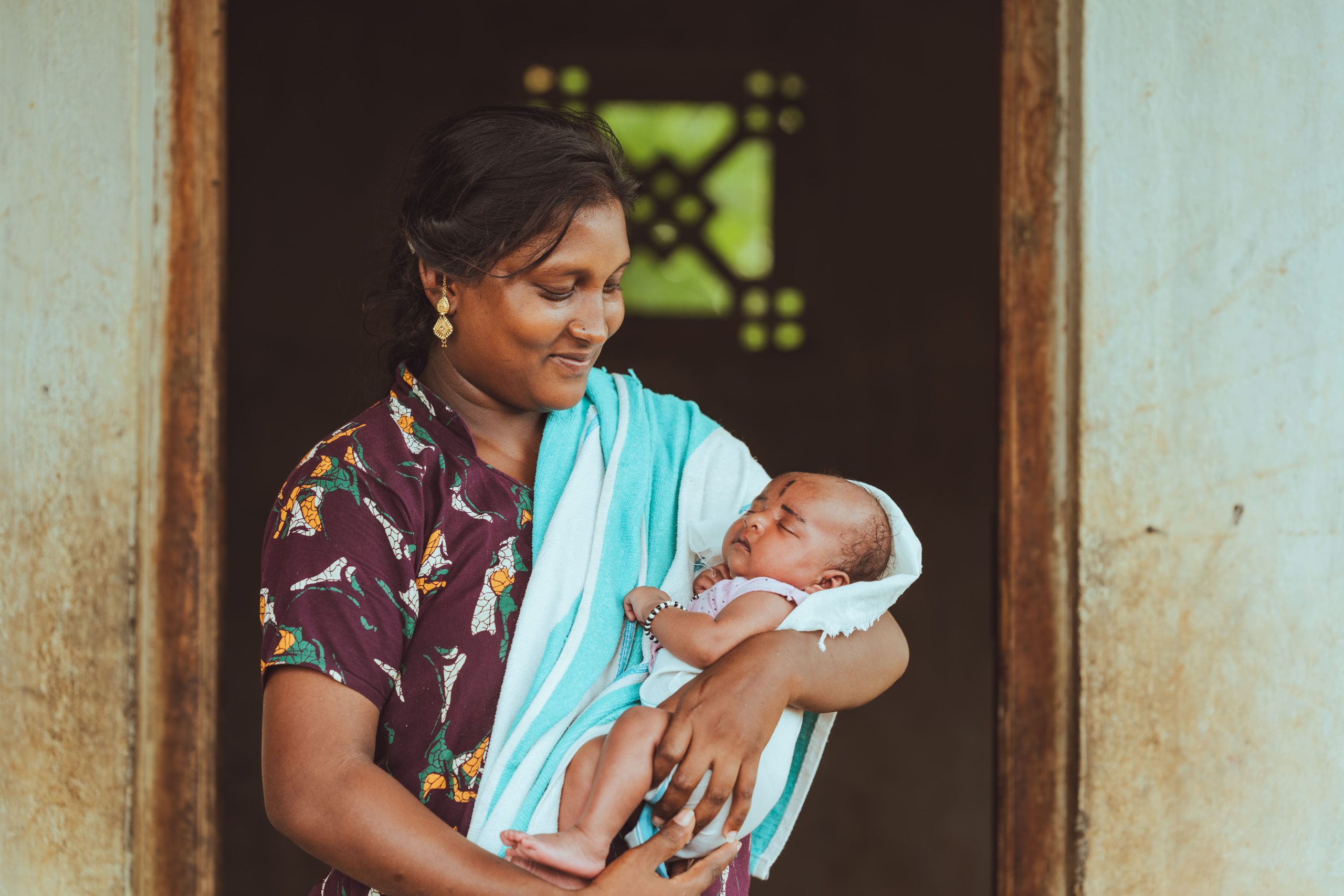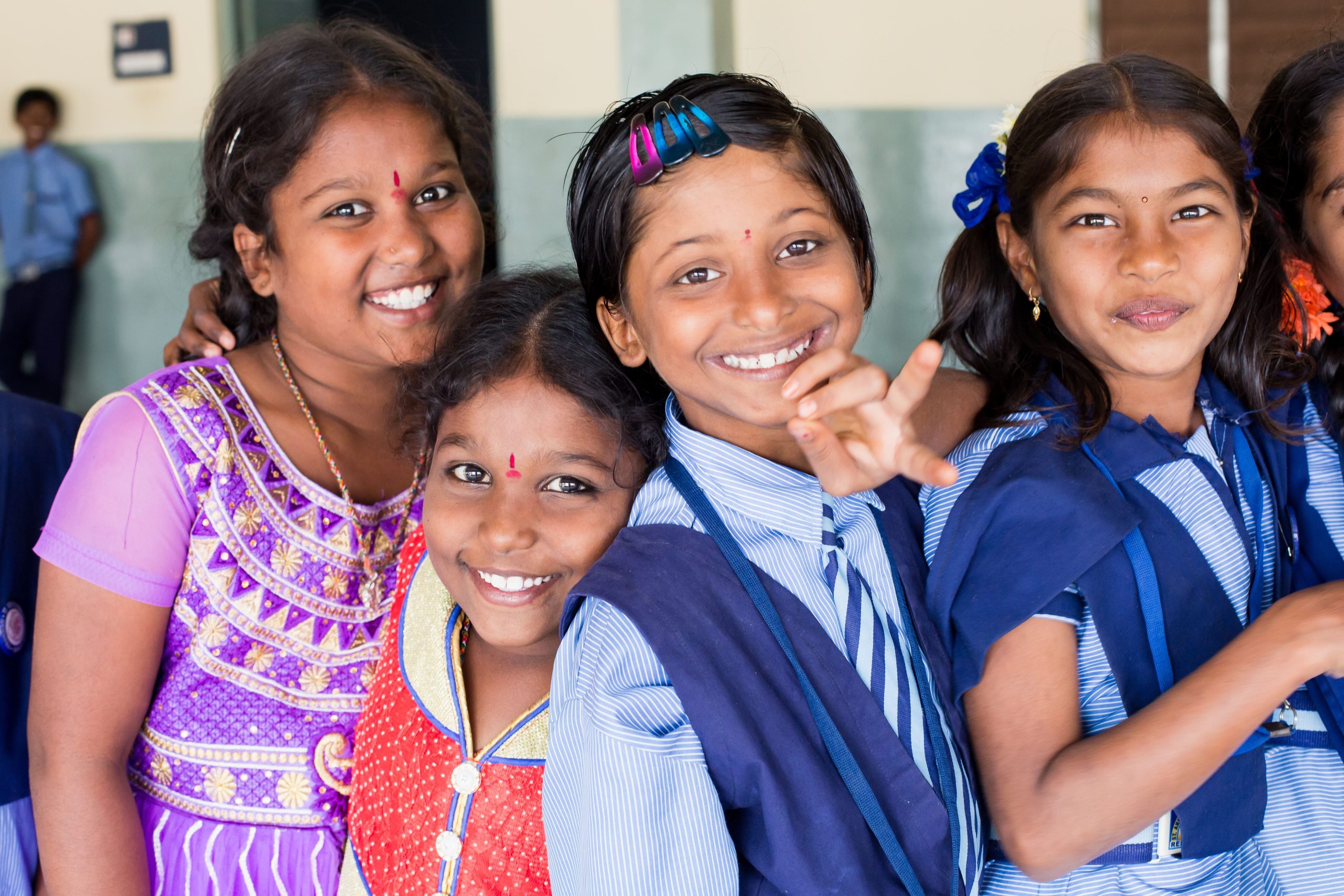

She spent her childhood coming second. Today, she’s earning her place among the best.
The Girl Who Got What Was Left
When Keerthi’s* brother was born, the whole family celebrated.
Two years later, Keerthi was born.
Only her mother celebrated.
They were raised in the same home, by the same parents. But they lived two very different childhoods.
He got new clothes. She got none.
He got new toys. She got none.
He had birthday parties. She never had one.
Even at dinner, her brother was served first. Keerthi ate whatever was left.
Eventually, she stopped expecting anything more.
When it came time for school, her father enrolled her brother in a good school and arranged safe transportation. He refused to spend money on Keerthi’s education. Her mother, Sunitha*, enrolled her in the local government school instead.
But there was something Keerthi’s family couldn’t take away: her dreams.
She loved mathematics. She dreamed of becoming a police officer. And even though everything around her told her she mattered less, she imagined a future in which she could be so much more.
Then, when Keerthi was just 10 years old, tragedy struck. Her father died in an accident.
And suddenly, the little girl who had always come second was about to lose far more than birthday parties and new clothes.
The Decision That Could End Her Childhood
Her mother was grieving. The family had no money. And Keerthi’s grandmother decided what would happen next.
Keerthi would leave school and be married.
She was in fifth grade. Fifth grade.
To her family, the decision seemed practical. Why spend money educating a daughter who would eventually marry? Without a father, they believed, a husband would give her the security she needed.
But Keerthi didn’t want a husband.
She wanted to go to school.
She wanted to learn mathematics. She wanted to become a police officer. She wanted the same chance at a future that her brother had always been given.
She begged her mother to help her.
Sunitha knew what refusing the family would mean. She was grieving, had no money of her own, and depended on the very people making the decision.
But she also knew what silence would cost her daughter.
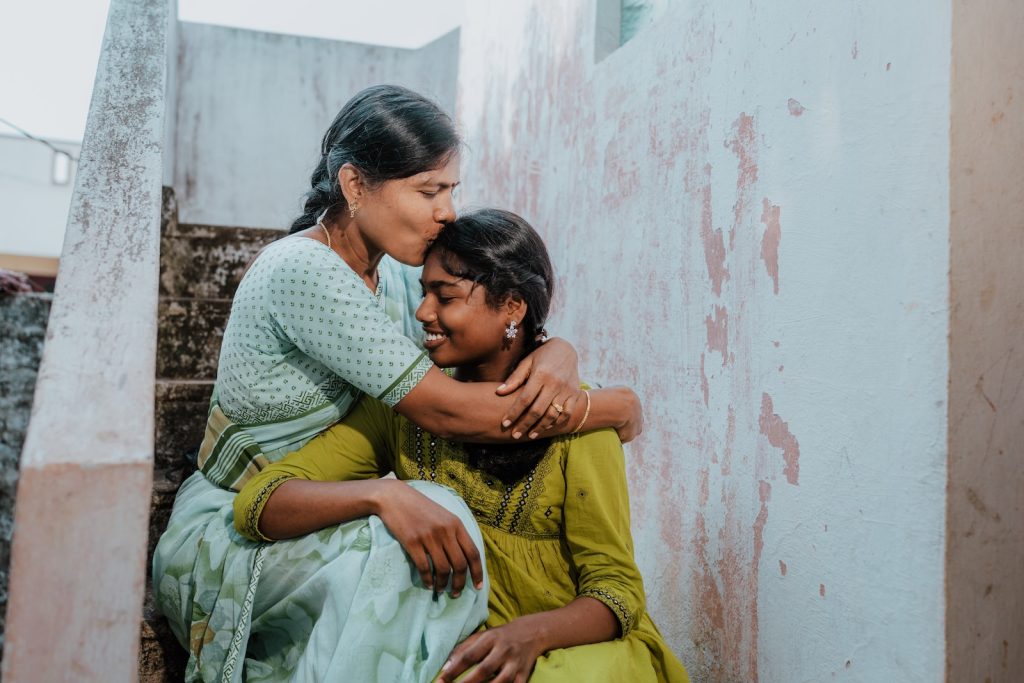
So Sunitha made a decision of her own. She would fight for Keerthi.
The Mother Who Refused to Give Up
Sunitha had no money, little power, and no idea how to stop them. But she refused to give up her daughter’s future.
She went to Keerthi’s school and begged her teacher for help.
The teacher listened. And then she connected Sunitha with a local Invisible Girl Project social worker.
When they met, Sunitha broke down in tears. She begged the social worker to save her daughter.
And our team stepped in.
Working with village elders, our social worker confronted the family. She explained the laws against child marriage, the consequences of breaking them, and the importance of educating girls.
But she also challenged the belief at the heart of Keerthi’s suffering:
A daughter is never worth less than a son.
Her grandparents were furious. Arguments erupted at home. Sunitha faced cruel words for daring to seek help outside the family.
But she stood firm.
And our social workers kept showing up.
For months, they returned to the family again and again, helping them understand the harm of child marriage and the value of their granddaughter.
Finally, something changed.
Her grandparents promised that Keerthi would stay in school. She would not be married as a child.
Her childhood had been protected. Her education could continue. And for the first time, the family that had always put Keerthi second began to see her differently.
But what happened next would surprise everyone.
The Girl Who No Longer Comes Second
At 13, Keerthi joined her school’s first-ever cricket team.
She was good. Really good.

She made the Under-14 team in her very first try-out. As she advanced in cricket, she moved up to the Under-17 team.
Today, at 16, she’s preparing to compete at the national level.
Think about where she started. The little girl who ate leftovers while her brother was served first. Who watched him receive new clothes, toys and birthday parties while she went without. Who, at just 10 years old, nearly lost her education and her childhood to an arranged marriage.
The girl who was always given what was left is now earning her place among the best.
And perhaps the most remarkable part? Her family has changed too.
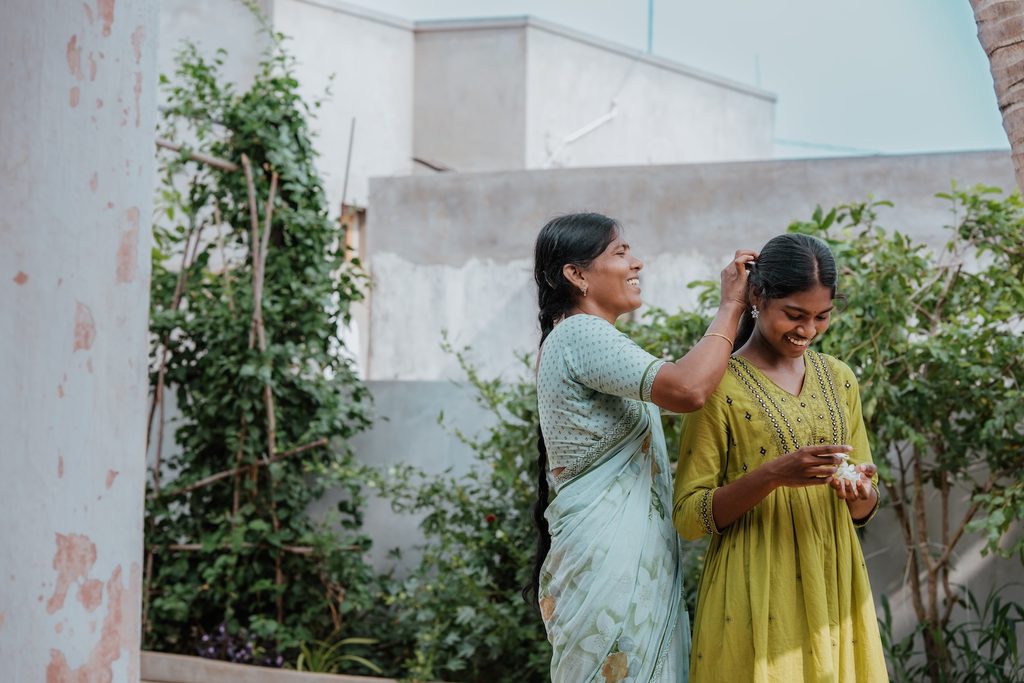
The grandparents who once wanted to pull her out of school and marry her off now celebrate her accomplishments. They cheer for her education and her cricket. Her mother, Sunitha, has found work and continues to provide for her children.
This is what your generosity makes possible.
Not simply preventing one child marriage, but protecting a childhood, preserving a future, and changing the way a family values its daughter.
Thank you.
She Isn’t the Only One
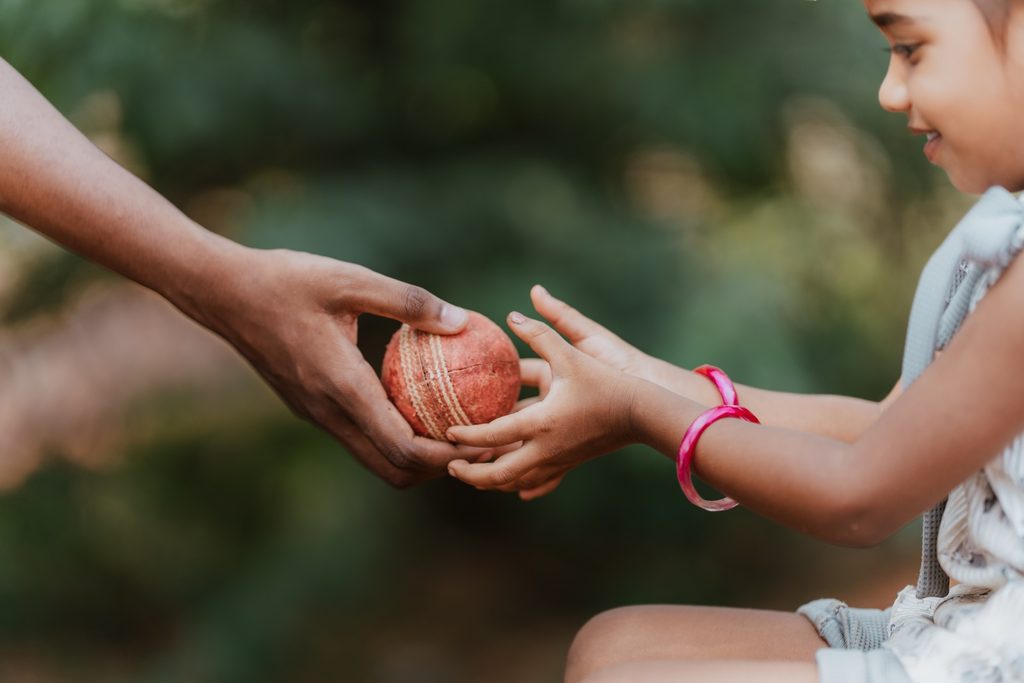
Keerthi isn’t the only girl growing up second.
Across India, every single day, girls are still denied opportunities, pulled out of school and pushed toward marriage because they are daughters. We have to reach them too.
Somewhere in India, another little girl is being told she matters less. Help us reach her before she loses her chance to prove otherwise.
This Giving Tuesday, every gift is matched up to $100,000. Your $1 becomes $2.
Give today. Help the next girl stop coming second.
*Names have been changed to protect identities.