
Author: Morgan Manley
In many parts of rural India, a daughter’s life is shaped before she is old enough to understand it. The customs that govern her childhood are passed from mother to daughter without ever being named or questioned. That is precisely what makes them so durable.
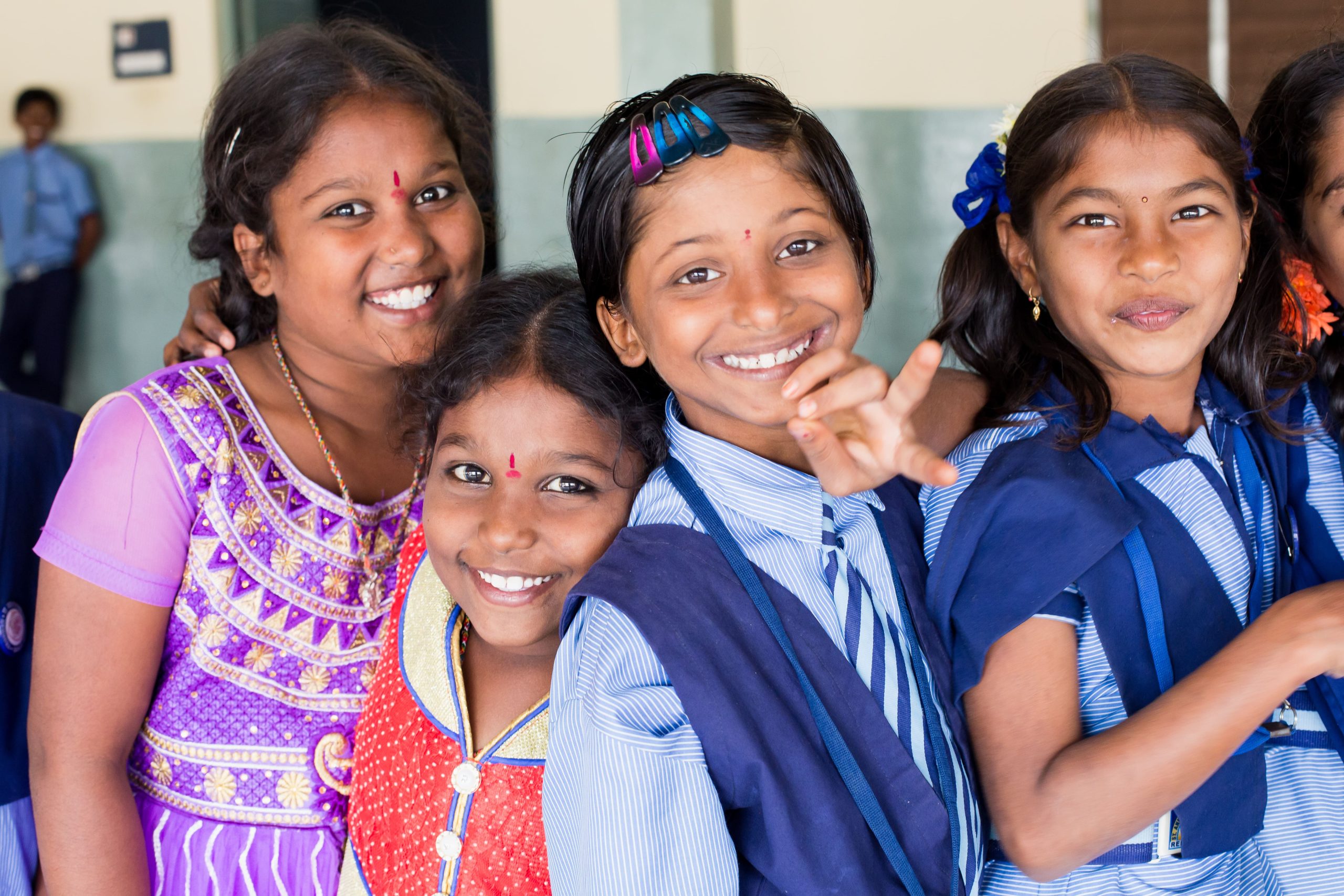
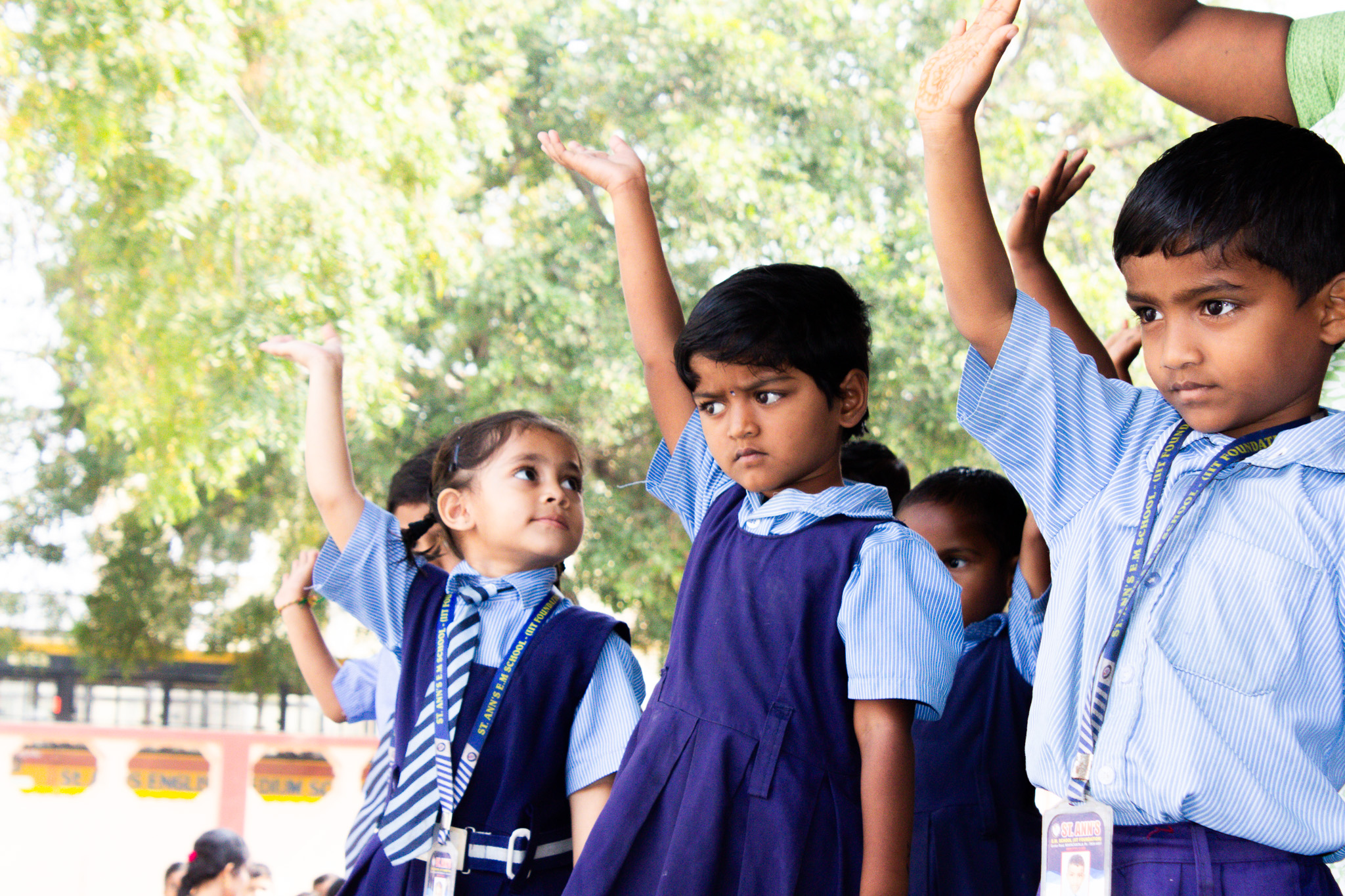
Invisible Girl Project’s awareness initiative workshops – which teach individuals about the value of daughters and the laws in place to protect them – do something that sounds simple but is radical in practice: they name that system directly. In early 2026, IGP and its partners conducted workshops across villages in India, focusing on gender equality, female gendercide, dowry, and child marriage. Stories emerged about mothers who sat in a room, recognized the system they had spent their entire lives inside, and decided their daughters would not inherit it – an incredible realization of intergenerational change.
One woman who attended a workshop described a childhood in which she was told her parents’ house was not really her home – that her real home would be her husband’s. That belief shaped what she allowed herself to want, what she asked for, and what she expected. She married at 18 with a dowry and arrived at her husband’s home to find she had no rights there either. The message of her childhood had simply followed her across the threshold.
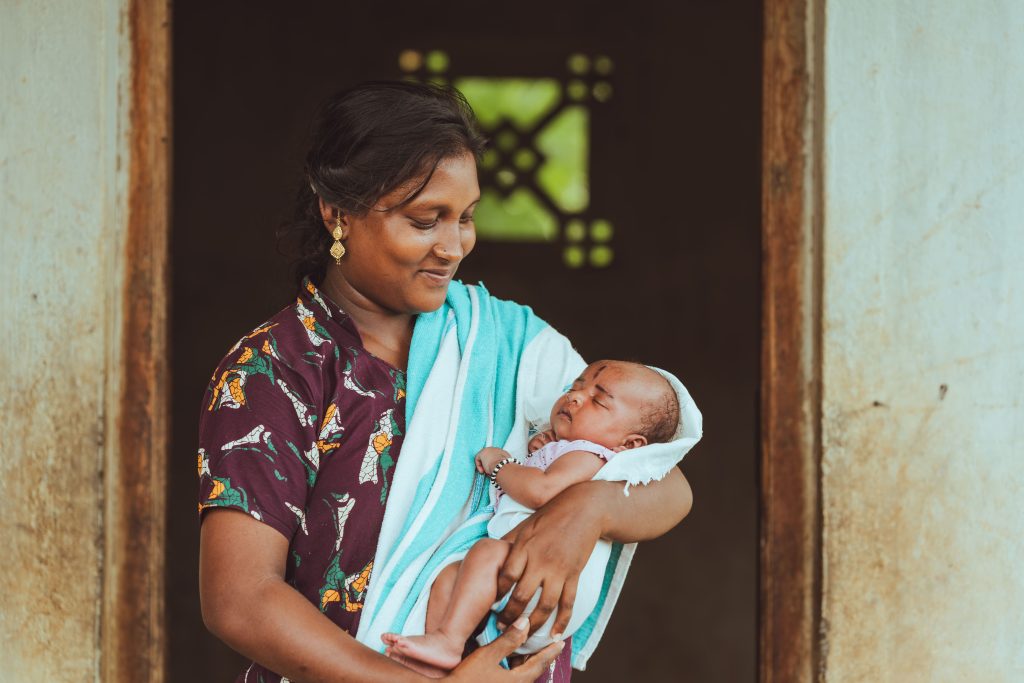
When she became pregnant, her in-laws hoped for a boy. While she did not know the gender of her baby at the time of IGP’s workshop, she stood before her community and committed publicly to exempting her potential daughter from a dowry and providing her with an education instead. Regardless of gender, she wanted to give her child everything she had been denied.
In another village, a single mother raising both a daughter and a son described relentless pressure from relatives to arrange her 10th grade daughter’s marriage. The expectation was not a rule anyone had written, it was simply what had always been done, what she had watched happen in family after family around her. After the workshop, she said she felt liberated and committed to keeping her daughter in school. In a single afternoon, she broke from a pattern that had governed the women in her community for generations.
Two other women were asked a direct question: given the life you have lived, would you want your daughter to experience the same? Both had been married young without any meaningful choice and both said, “No,” immediately. They committed to educating their daughters to a level that would make financial dependence on a husband unnecessary – a deliberate refusal to pass on the vulnerability they had inherited.
Perhaps the starkest account came from a woman who grew up as one of seven sisters. All of them had endured hardship, she said, because their parents had longed for a son. She has two daughters of her own now. After the workshop, she committed to educating both of them and to ensuring they were not married before they could stand on their own feet. This mother refused to let the deprivation that had defined seven girls in one generation define two girls in the next.
Each of these women understood what weight this cycle carried and why breaking it meant so much for their daughters. IGP’s awareness workshop gave these mothers the framework to name their experience and to understand that their daughters were able to have an alternative one. A single workshop cannot undo decades of embedded beliefs, but the moment when a woman stands up in front of her community and says that things can and will be different for her
daughters is where the chains begin to break. When a mother is brave enough to spark intergenerational change, courage becomes the first thing her daughter inherits. Invisible Girl Project works with grassroots organizations across India to prevent female gendercide, end trafficking, and protect girls’ lives. We believe lasting change begins when communities understand the value of their daughters – which is why we are committed to reaching 350,000 people with that message in 2026 alone. Will you join us?